
Something’s definitely different
Are you feeling more tired, frazzled and irritable than ever before? Exhausted but not sleeping well? Are daily tasks suddenly taking a colossal amount of effort? Have you had the sudden onset of weird symptoms like panic attacks, hives, frequent headaches or migraines? Do you just not feel well?
You may be burnt out.
A big part of my practice focuses on burn out and stress related illness - but what do these terms really mean? How do you get a diagnosis? And what do we do about it?!
Start with Stress
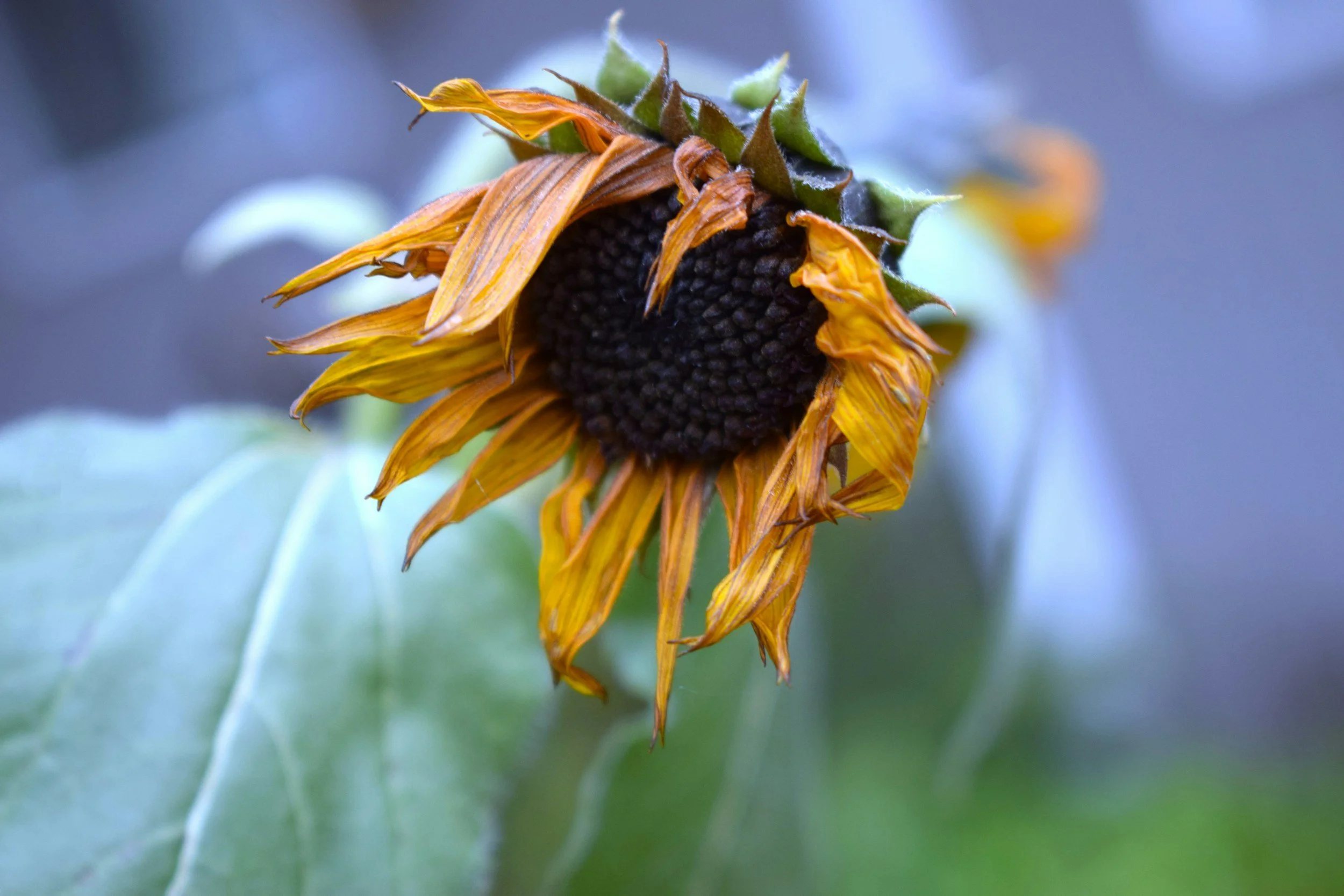
Stress is a significant part of our lives, and it’s not always a bad thing. Any demand in our lives can be defined as a stress - we want to have some demands to meet as it helps us to feel motivated, and offers us the potential to meet a challenge and succeed. Challenges offer an opportunity to learn and grow. Life can be boring and downright depressing when we have nothing to strive for. Likewise, when we don’t challenge our body, muscle can wither and waste, mobility may decline and so on.
However, when demands continue to mount, an excess of stress becomes a chronic and persistent issue. Our minds and bodies aren’t able to bounce back from each demand when stress is virtually non-stop. Eventually, we suffer the consequences. Stress related illnesses can look like anxiety, digestive issues, sleep problems, irregular periods, notable PMS symptoms, fatigue, memory issues or trouble concentrating, aches and pains, hair loss, changes in sex drive / sexual function and more.
What is burnout?
When we start to experience demands on our resources that outpace our ability to meet these demands, we begin to move past peak performance, and head straight for burnout. In early stages, this may feel like being tired but wired, feeling like we’re juggling a lot and it’s going ok for now, but perhaps things like sleep, appetite, sex drive and irritability start to wobble. If we don’t make any adjustments at this stage, we’re likely to move into full on exhaustion, or running-on-fumes stage of burnout where our ability to cope really begins to crumble.
In either stage, we may start to see other health concerns rear their heads. This may be a new concern, or something that was previously well managed. In order to address these concerns, we need to address stress. In order to recover from burnout, we also need to deal with the other health concerns that may be showing themselves.
There are so many ways that stress can impact us, and many illnesses that can be impacted by stress, so how do we sort it all out? How do you know if you’re burnt out?
How do you assess burnout?
For starters, sometimes you just know.

You know you’ve been stressed, and you know that you’re not feeling ok. You may have had a recent health-related diagnosis, or you may have been told that all your blood work looks ‘normal’ so there’s nothing wrong. You may not even feel stressed, but your body is giving you signs that things are not a-ok. It’s ok to know something’s wrong, but not have a label for it. That’s a plenty good reason to speak with a Naturopath or primary health care provider.
No matter where you’re coming from, we start with a thorough health history. We take stock of what your day to day looks like, what your food intake and digestion look like, and how you’re sleeping. We talk about basic blood work that may help us to screen for what systems are being impacted.
We screen for physiological stressors - things that have gone off track with how your body should ideally be functioning. For example, chronic or low grade infection, blood sugar dysregulation, nutritional deficiencies, inflammation or hormonal changes.
We talk about external drivers of stress or barriers to wellness. For example, work or scheduling challenges, physical activity (you may need more, less or a different type to optimize your health!), sleep issues, and stress coping tools and tips.
Then, we put the pieces together to figure out the best way to remove obstacles to recovery, to build you back up, and clear a path to see you thrive in a more balanced and resilient state of being.
Is it burnout or something else?
In our assessment, we never assume we’re dealing with ‘just burnout’. When we say burnout, we mean a collection of symptoms associated with intense or prolonged stress. There are some common patterns of what the body will do, including how the body will adjust the release of stress hormones like cortisol and other stress-driving messengers called catecholamines. However, we’re not just talking about a stress hormone axis. Nothing in the body works in isolation, so we also consider if and how stress may impact:
Reproductive hormones
Neurotransmitter production
Digestive function
Immune function
And more!
We always assess for impacts of stress, as well as issues that may be running in parallel to our stress-related concerns.
How do I fix it?
What your specific stress or burnout recovery plan looks like will vary from a standard protocol that can be gleaned from an article or website, because you have a specific set of biological, physiological and environmental circumstances. Moreover, you have particular preferences on how to tackle your challenges! So together, we take a good look at all the pieces of the puzzle - the physiological, psycho-emotional, and environmental - and put it all together to get you where you want to be.
Beware the quick fix
With an abundance of health influencers and pay to play ‘quick fixes’ available online, I have to say that I would always beware anyone selling a quick fix.
Burn out is no joke, and if that’s where you find yourself now, I can guarantee you didn’t get here overnight. I will never guarantee that you can recover in a given period of time or with the ‘right’ protocol. Supplements alone are never the answer, and the more expensive does not mean the more effective.
Any effective protocol will have to address the factors that led to burn out in the first place - for example:
What were the excess demands and can they be culled (i.e. what can we say no to)?
Was there a lack of recovery time that could be adjusted going forward?
Are you sleeping enough & deeply?
Are you properly fueling? I.e. Eating at regular intervals, consuming enough nutrients to match your activity, digestion is working effectively to absorb the nutrients you eat
Are there hidden physiological ‘holes’ in your bucket that need to be repaired? Ex. low grade infection, dysbiosis, lingering inflammation, metabolic dysregulation, hormonal changes can all drain resources and aggravate burnout. Likewise burnout will aggravate symptoms associated with these physiological challenges.
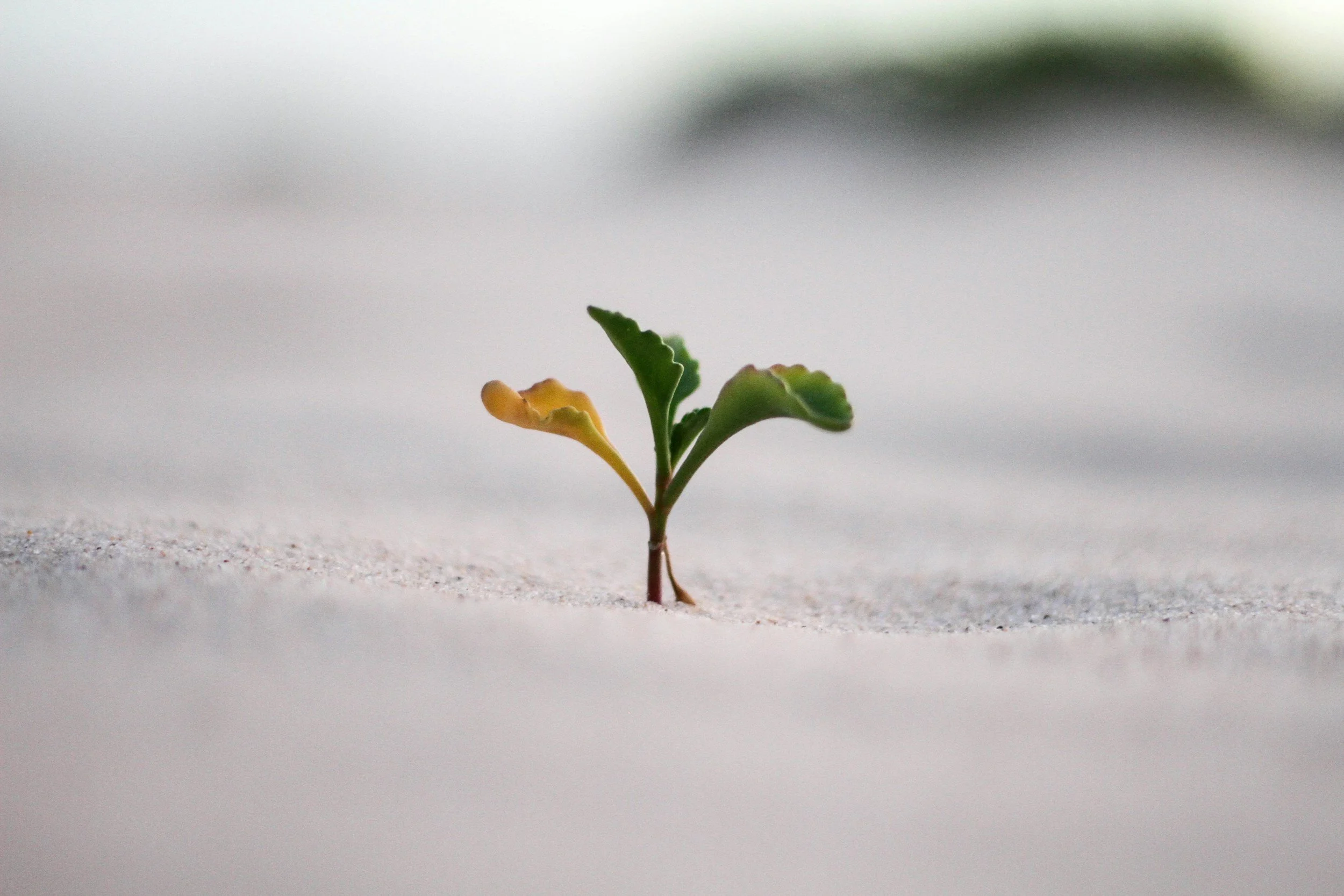
As well as tools and resources to help the body with repair and recovery. This can include foods, herbs, supplements, physical and/or psycho-emotional and/or spiritual practices.
Recovery from burnout can be a gradual and arduous process. One of the hardest parts can be re-programming our concept of productivity and figuring out the value of prioritizing rest!
It’s not always a straight shot to improvement, and when bumps on the road to recovery arrive, it can go a long way to have a trusted support system in place to help you get back to yourself as swiftly and smoothly as your body will allow.
If you’re curious how I can help, reach out to book a free 15-min meet & greet!
Yours in health,
Dr Kristen Mark ND